I used to say, "If you will take care of me, I will take care of you. "Now I say, I will take care of me for you, if you will take care of you for me.”
Many of us are in a season of revaluation, reflecting on what has passed, what’s present, and what is to come. (In so many words)
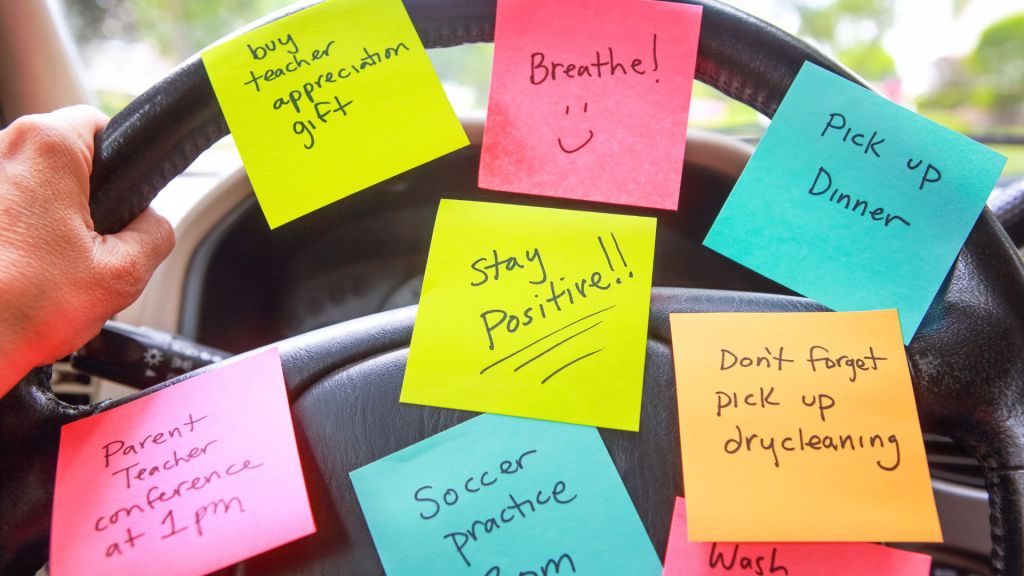
Lately, I had to seriously reevaluate my life and redetermine my priorities – what’s important right now and what’s not. Without delving into my backstory, here are a few mindsets that have helped me keep things in perspective.
1# Revaluate your priorities
When we think about it, many of us have things we prioritize and other things that could be left on the back burner. Everyday life decisions may be easily categorised into essentials and non-essentials in many respects. I’ve discussed this in a previous post which I will link below.
When it comes to everyday decisions, we could be tempted to over-plan, overthink and unde deliver. The things we hope to achieve so often become a chore not a pleasure. And it can be sometimes difficult to distinguish what we should do now and what can be postponed to a later date or hour.
2# Know your values
When I say values, I mean what you hold in high regard. What is important to you?
Our values are so important, even if we are not conscious of them at this present time.
Life changes or pressure can often bring our values and beliefs to the surface. For example, a new relationship or employment status are some prime examples that can reveal our values best.
One of the key ways we learn our values is by interacting with other people on a personal level and sometimes through undesirable everyday conflict. Working environments, our friends’ get-togethers, church functions, family gatherings, volunteering and all opportunities to get to know other people and in effect ourselves.
3# Focus on what’s important
What do you hold with utter importance? Would it be something worldwide like climate change or endangered animal species? Would it be the prominence of social injustice or world poverty? While these causes hold major importance for society at large, there are present causes in our everyday lives that are significant every day. Your emotional well-being, healthy and regular social interactions, and financial stability well-being are very important to function in life.
Most new parents may deem it important to keep on top of their children’s studies or bring them to school on time. Meeting deadlines at university or college is important to a studying student or grasping an understanding of theories etc. However, someone struggling with their mental health may deem getting out of bed, getting dressed or calling a friend of importance, especially in recovery.
What you deem important may progress or change as we get older but some things will remain constant and unchanging. In many ways, it’s the unchanged things that define who you are as a person. Your principles are what set you apart from the rest.
– LookafterU4me
4#Refocus on yourself
Focusing on yourself can initially sound self-centred, but the intention is to imply anything but. Rather, keeping life in perspective in relation to others. Self development & self care is one of the core inspirations behind this blog.
Jim Rohn says it well, I quote:
“The greatest gift you can give somebody is your own personal development. I used to say, “If you will take care of me, I will take care of you. “Now I say, I will take care of me for you, if you will take care of you for me.”
Jim Rohn
“It sometimes feels like we need to try 10 times harder than the rest of the world (or the average person) to stay well – and if you get unwell – life goes on without you – everything stands still me.
In a somewhat competitive world, there can sometimes be an inclination to take a look at what others have obtained or gained, and internally desire the same. In many ways, healthy competition can drive us to do our best within the right context. However, constantly comparing ourselves can bring unwanted demotivation, frustration or a sense of discontentment when are eyes stray from our own lives onto another.
What you may have achieved at age 30 someone could possibly achieve in their 20s. Even if society reflects a specific order for everything, opportunities present themselves, resources arrive, connections are made, our status may change, no two lives are the same.
Even if were possible to reverse the time, or you could go back in time, we can guarantee we would have all the detailed decisions we have made or the obstacles we would face.
One more note:
I watched a handy film over the holidays: it’s a good example of a sense of discontentment gone too far, it’s not based on reality. But it presents a narrative that is helpful upon reflection. In many ways, it brings to mind a classic film called, “It’s a Wonderful Life” – starring James Stewart.
Lookafteru4me wants to wish you a restful & prosperous New Year’s Day
Dear readers & subscribers: thank you for supporting us through the thick and thin. We treasure your loyalty more than you can imagine.
For everyone & anyone reading:
I want to remind you to never give up on your dreams & visions for your life and your determined purpose.
You are making a difference in ways you cannot fully comprehend yet. At times it can feel like our efforts are making no real impact on the world at large.
However, we can make a difference bit by bit. You are someone’s answer to their internal questions of life. Even more so when you answer your own internal cry about life beforehand.
We all have a scope of influence around us. A friend, a colleague, or sibling or even the person serving you coffee at your local cafe.
Take a peek at some Lookafteru4me history below:
All the best for the year ahead😊
Stay connected, stay true, and more importantly press through.
– Lookafteru4me
Good things are coming this year. Just wait & see.
Fellow readers and bloggers, it’s easy to forget how far we’ve come if we don’t reflect back on the progress we’ve made. These top 3# posts have been chosen especially for you by you. As the most ‘liked’ and possibly the most ‘read.’ Have a read, – and sit back and relax, and reflect on how far we’ve come.
Yes, you read that right, ‘we’ you have been a crucial part of my journey. Keep pressing on, your success is progressive and constant. (Never give up on yourself or your dream)
“The greatest gift you can give somebody is your own personal development. I used to say, “If you will take care of me, I will take care of you. “Now I say, I will take care of me for you, if you will take care of you for me.”
To some of you, this post may come as a surprise. But to others, a much-needed topic for the current situation they may find themselves in. You would be relieved and enlightened to know that there are still many young and mature adults living at home for multiple reasons, including:
# Too expensive to buy and rent
# Living expenses have increased e.g. gas, electricity, food etc
# Difficulty getting council housing – long waiting times (not in a priority category)
# Wages are not high enough (to rent privately)
However, some preferences present themselves when considering moving out or finding a place to live including:
# Unwilling to share accommodation with strangers (shared accommodation)
# Location/s of cheaper rent undesirable
# Priorities change – no longer able to buy
# Desiring to get a mortgage (save a deposit
This topic as come from from a personal and private place. Some have failed to see the full implications that many young and mature adults undergo whilst waiting for the opportune time to venture out on their own. I personally have sensed a feelings of frustration concerning finding housing, and acquiring sufficient funds to do so.
So, let’s start with the statistics:
Living with Parents
Out of curiosity, I searched how many young adults live with their parents in the UK. According to the Office for National Statistics, there has been an increase of people aged 15-34 years old living with parents from 1996 to 2015 in the UK. They claimed that 800,000 more people aged 15-34 lived with their parents in 2015 compared to 1996.
To some, this rise may not seem significant, however, you may wish to take into consideration that society has gone through many changes since the 90s. Technological advancements have evolved, access to higher education has increased, and different job opportunities have arisen accordingly.
Therefore, it would seem more probable that the number of people aged 15 -34 living with parents would decrease rather than increase. It would be enlightening to see how these statistics have changed in the present day.
The Living wage:
According to Statista, the living wage has increased steadily from 1999 till 2019, however, it would appear to most that the cost of living has increased, and the availability of affordable housing has decreased despite proclamations made by the government to provide it.
Average rent prices – who pays the highest?
A quick Google search of average rent prices, made me stumble on a website called NimbleFins, which revealed that the average rent price in the UK in 2019 was £868 a month per household. They claimed that social renters – (those who rented through a local authority and housing association) paid just under half of the average rent price.
I found it interesting that the group paying the highest rent per household was those who were within the age bracket of 16 to 24 years old. This group was spending almost half of their gross income on rent. In comparison to those aged 25-34 who spent 28.2% of their gross income on rent. The determining factor of why there’s such a significant difference in the percentage those two groups spend is not evident. But both reflect that there is not only a need but a necessity for affordable housing.
Although 16 to 24 years olds were highest paying group NimbleFinsclaimed that it was the group that found their rent prices the least affordable. Whether one is willing or forced to pay almost half of their gross income and housing, and some others are willing to wait until an opportune time comes to acquire affordable rent prices, I don’t know. – But I know to well the feelings of frustration, stagnancy, and depletion that attempt to bombard the mind whilst actively waiting and seeking a place of your own.
But I hope this post will give you that cutting age, or know how to maintain optimism whilst living at home, actively waiting for that opportune time to move out not only start but re-establish a place of your own.
Statistics aside – what are some helpful suggestions to maintain optimism and focus whilst living at home?
Some suggestions to consider:
# Redecorate your space (within budget)
This can be something as giving your walls a new splash of paint – acquiring fresh & uplifted duvet covers – obtaining some blinds. It doesn’t have to be expensive. But consider what would make your living space (room) more comfortable – more desirable, and a place you look forward to retreating – (especially on work days). The idea of redecorating may seem daunting at first but it’s well worth it when it’s done. Make small changes – and take it from there.
# Organise your space
This seems obvious, but sometimes we can get so accustomed to our room, that we can’t see beyond it. Organising your living space is a skill you can transfer once you have your own place. If you neglect organising what you have now, don’t necessarily expect to change this habit once you are living by yourself – or with a counterpart. I’ve learnt if you give everything a place it does wonders for your mental capability, and makes things more manageable.
# Vision board
Having a vision gives you a sense of direction and purpose for your life. Some may ask, ‘But what if I don’t achieve all that I set out to do?’ my short answer would be, ‘You can transfer your goals and dreams for the next year and so on until you have achieved them.’ – Don’t underestimate the power of vision.
# Save now (no matter how small)
I’ve always had the mentality that if I can’t save a sufficient amount then I can’t save. But this mindset is a deterrent when it comes to saving. No matter how small the amount it can make a difference to the smoothness of your move – when you venture out on your own.
It is the difference between buying a washing machine or having to take a weekly trip to the laundrette. Or buy a suitable wardrobe – or making-do with a rack of clothes exposed to the natural elements. It is the difference between living pay check to paycheck – or having some money saved for a rainy day. Start small, and these small amounts will reflect in a big way in your savings later on.
# Budget now (count the cost)
There’s a saying, that says, count the cost – especially before building a house; unless you start building and cannot complete it. Write down your income, and your fixed outgoings, e.g. expected rent cost e.g. phone bill, car tax. Then write your essentials & necessities, gas & electricity, food & groceries, and toiletries. Are your outgoings greater than your income? Do you need to cut back on expenses to have sufficient amounts to make it on your own? Or do you have sufficient funds to find your independence and venture out on your own?
#Is travelling a possibility? (staycation)
This suggestion is optional, but recommended. A staycation can & may get you out of the mind frame or stagnancy – feeling as though you are making no progress. Especially if you are bidding each week for housing, or you are working constantly – and yet still unable to afford private rent prices. When you find your own home – you won’t forget your budget-friendly holidays.
#Get outdoors
This topic has been covered previously, but it is very relevant. Staying indoors, or in the same confined space can make you feel grouchy and depleted – a change of scenery – whether that’s a brisk walk to the coffee or a stroll through a park with a close friend may and can shift a mindset of sameness, and has been suggested to encourage good mental health.
#Focus on short-term goals
Finding a place of your own, or planning to move out can consume our time and energy. Yet remembering that you have other goals and desires that you would like to fulfil, can keep things in perspective. E.g., eating more wholesome foods, introducing exercise into your routine – trying out a new restaurant – these are things that we have the means to change now step-by-step. Start here.
#Take up cooking
Yes, you heard that right. Cooking. You don’t need to be an expert, but knowing how to boil rice, without it getting soggy, or putting together a pasta dish in under 30 minutes can be helpful when you’re living by yourself. I found it handy to have an air fryer to hand, because you prepare your meat or fish, season your food, boil some potatoes, spray some oil, then leave it to do the work.
#Keep on top of the laundry
For those who have had no difficulty with laundry. This tip may come as a surprise. But for the longest time ever I couldn’t keep on top of laundry 🧺 no matter how hard I tried. It used to frustrate me because my basket would be filled with an overwhelming amount of clothing and I didn’t have the means to tackle it head-on.
The more clothes you have, the more laundry you are subject to.
Having a system in place can help you maintain your own place – as and when it comes. When you don’t know where to start. – Start small. Separating dark and white clothes seems obvious, but even go a set further and separate clothes into sections to be washed beforehand. e.g., towels (in one bag) duvet & pillow case (one bag) dark work clothes (one bag) and so on. Another handy tip I’ve introduced lately is: to pack away your winter clothes when summer comes around, so you have less to deal with.
#Be active in your search for housing
Mortgage
This post appears more directed at renting; however, your objective may be to acquire a mortgage. Living with your parents may be a way of saving for a deposit – and getting the financial means to acquire a deposit for a mortgage. Researching all things mortgage-related information will come in handy. What is the minimum amount of a deposit, how much will the bank lend me? What other fees do I need to consider?
Note: Sometimes banks offer information & resources (especially if you saved a fairly good amount in the bank)
Rent
If you are looking to rent privately, research possible areas and anticipated rent prices. If you are bidding for council housing. Look at the average rent prices, and be consistent with bidding. The process can be daunting – so don’t give up. Find out what your borough’s priority categories are. This can help you see things in perspective and whether you should consider another route.
Once you’ve got your place, avoid the mindset of (I need to fend for myself). Other people are an important asset in our lives. Build upon relationships now – strengthen your ties with your family. See them as part of your support network. When venturing out on your own, you may encounter difficult times or moments of loneliness. When you’re out on your own you don’t what to only survive but thrive.
One last note:
This waiting process is not forever – when you least expect it, things will change for the better. Consider implementing these suggestions one by one -and test and prove them. And keep at it – if you are already practising these tips in your life. –
You are ready for change, but for now, change what you already can.
Post recap: Overcoming a ‘Breakup’ and ‘Heartbreak’ – [untouched topic series] (pt1) – feel free to follow so you won’t miss relatable posts and content in the near future.
This topic comes from a hard place. For those who have not gone through a phase or even a lifetime of what presents itself as anxiety or social anxiety (sa). This post may seem foreign but beneficial for insight and clarity on the subject. But for those who have been there: amid the racing hearts and moments of panic and despair and the constant pursuit of relief, this post is for you. How often it seems in the heat of the moment of fear that your battle is a matter of life and survival, this will resonate with you on so many levels. Let’s dive straight in:
Reassurance & relatablity
I was originally going to write this from a statistical perspective but I decided to write this from a personal & reflective perspective from someone who has been there and overcome in many areas.
The intention of this post is not to provide you with the basis to self-diagnosis. Rather give you a glimpse inside the mind of someone who has manifested symptoms of fear, worry, and apprehension in social settings and social situations (even within family settings.) When it comes to symptoms of anxiety there is sometimes a nature to see ourselves as victims – but we can turn what could be considered chaos and confusion into fuel to overcome & step into new territories.
Just knowing that there are others out there who have gone through what you are going through, and been where you’ve been may in some way give you that hope and the reassurance to keep you pressing on despite any opposition you are facing right now.
The idea that your situation is unrelatable or uncommon could not be further from the truth. Despite the silence amongst those who suffer with the likeness of anxiety and (sa). You are not the only one going through your circumstance (someone could be sitting on the train or bus, and undergoing the same thing you are going through.)
‘Regular’ social anxiety is known to all of us as an uncomfortable feeling of nervousness. Many people have particular worries about social situations like public speaking or talking to authority figures or experience more general feelings of shyness or a lack of confidence.
– Social Anxiety UK
Outcry for help
I once did a test for anxiety forwarded by my GP when I was considering CBT. However, my score was not considered high enough to be taken into consideration for this option of treatment. However, it made me question whether what I was experiencing was everyday apprehension and worry and whether there were other means of coping.
Coping mechanisms
Many of us have developed coping strategies to keep symptoms at bay. We may leave the room unexpectedly, or frequently go to the toilet. Some have adopted healthy distractions such as listening to music or reading a book whilst travelling. Escaping the present reality in our minds.
1# Control
From my understanding, a feature that seems to be evident in anxious social settings or situations is our need for control. If we have a sense of control we can in effect control or determine the outcome of the situation we find ourselves in. However, it’s when we cannot control or manage the situation at hand, symptoms may become most prominent. For example, the unknown duration of a work meeting, or when we are unexpectedly put on a short training course without us knowing ahead of time.
Even at times natural bodily functions such as going to the toilet or passing gas may deem overwhelming and unusually embarrassing because of the perception we have of ourselves, and how we believe we are deemed by others – (even though all humans share this natural course of emitted waste and gas universally).
When researching the word control it seemed to connote a sense of influence or power to direct or change someone’s behaviour, however, I believe that in some contexts it can also apply to ourselves and how we regulate our emotions and behaviour to suit the circumstances around us – and make ourselves more at ease.
Many of us (including myself) may find it hard to give up that control of the occurrences around us, we cannot always foresee whether we will encounter an enraged driver whilst driving; whether we undergo a lengthy bus ride on the way home, or who we sit next to.
Life in a way is unpredictable. It is that unpredictability that can cause concern for those affected by fear-like symptoms. For example, we cannot always pre-plan whether an unexpected meeting will occur at work. But we can regulate our response to it.
Sometimes you may feel that you conquer this perceived giant of fear and then it shows up again when you least expect it.
– Lookafteru4me
1# Knowledge & information
In many ways, social anxiety (sa) presents itself as a giant or an outside source that preys or falls upon us at any given moment. But in reality, it manifests itself as an internal patterned process of thoughts that bombards the mind and soul.
Knowing information ahead of time concerning a future scenario can ease feelings of apprehension and nervousness. Internal questions and thoughts may arise, such as, How things will pan out, who will be at an event or place you’re going, or whether you will sit next to someone you’re comfortable with or familiar with.
Common self-reflecting questions such as, “Will I know anyone?” (at your friend’s get-together) or, “Will I know what to say?” can and may be related to your personality traits rather than social anxiety itself. In many ways, some of the thoughts that go through our minds are very common, but it’s not knowing what will happen in a particular situation that can set a churning stomach, or provoke an anxious heart in many instances.
What can we do to counteract anxiety?
Tip 1 #Present yourself with opportunities before opportunities present themselves (in small qualities)
I’ve often heard it said: face your fears. However, facing your extreme fears head-on may bring all the feelings of fear to the surface too quickly. If you know you are fairly confident in a particular area, work on that area first, then when you build up your confidence and strength in this area, then branch out into other areas that you hope to conquer or overcome.
If you get very nervous or anxious in social settings with large amounts of people. Consider meeting up with one trusted friend or family member, and practise regulating your worries, fears and concerns within that situation. When you feel ready to introduce another mutual friend into your social situation go ahead.
Tip 2 # Recondition your mind – surround yourself with affirmation
From my own experience, anxiety-like symptoms may keep us on our minds. And in some cases, those thoughts may not be necessarily edifying or confidence-building. When we affirm ourselves on a consistent basis, we acknowledge the power of words, especially our own words. If others disapprove of us intentionally or unintentionally, affirm yourself.
Tip 3 # Record your small victories and read them back.
The mind is a funny way of recording all the times we have fallen short, however what about the times we have been victorious. Attended a social event and was well received. Or performed at an intimate open mic and felt on top of the world.
You may not realise it, but you are one step in the right direction even by simply taking a moment to read this post. Keep on pressing on, you’re destined for greatness. My main objective has been achieved if you have come to the realisation – you are not alone, and this is more common than you think.
Social Anxiety UK. (.). What is Social Anxiety?.(quote) [Online]. Socialanxiety.org.uk. Last Updated: .. Available at: https://social-anxiety.org.uk/ [Accessed 14 April 2023]. –
To my fellow bloggers & subscribers we wish you a wonderful week – look out for our upcoming post on social anxiety. New here? follow/subscribe for relatable content and topics:)
I’ve never really thought about this question until now. When most people consider nerves – there’s a nature to think of that gut feeling that you get in the pit of the stomach or a racing heart before a major performance, or an important presentation or interview.
However, nerves can show up every day, before a day at work, disguised as apprehension or dread. Or before a trip to the grocery store because you have to drive through traffic at a peak time.
Nerves may appear when we least expect them to, and for a reason, we cannot always comprehend fully. We may ask ourselves internally, “Why am I nervous?’ I know I have (personally), time and time again.
But there’s one thing I’ve learnt about nerves; it can act as a motivator to prepare and plan or a deterrent and rob our joy and well-being. We anticipate nerves before a poetry recital, so we practice and, in some cases, memorise. We know it may show up before that business presentation so we go over our notes, print our slides, or get our facts straight.
When nerves act as a deterrent, they may stop us from doing what we really desire to do. Whether that’s contributing an idea or asking a question in a meeting; or trying new things or exploring new places. I’ll be the first to admit that for the longest time ever, I’ve been someone in the middle when it comes to nerves – but I know I’m making progress – we can use ‘nerves’ as fuel to motivate us and help us reach new heights and greater territory.

































 LookafterU4me